
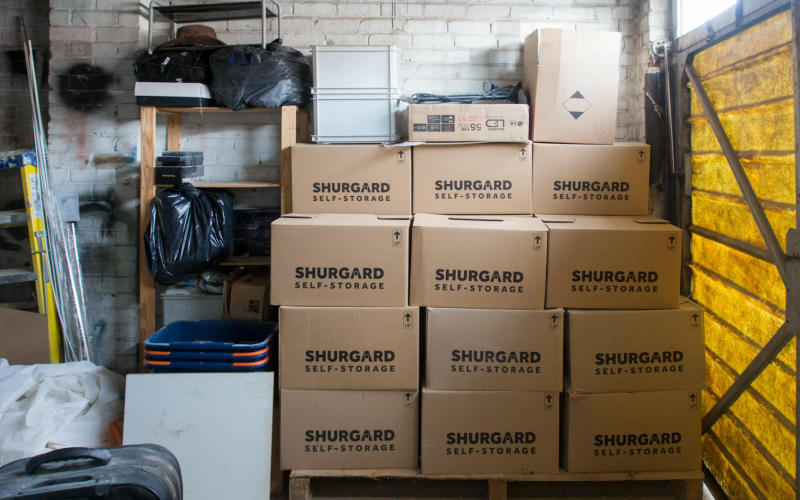

My garage is 400 square feet. Sounds reasonable until you factor in two bikes, a riding mower, seasonal decorations, three toolboxes, and whatever my wife has declared “doesn’t belong in the house.” You probably know exactly what I’m talking about.
I’ve been fighting this for years. And here’s what I’ve figured out that most storage articles won’t bother saying: the problem almost never comes down to floor space. It’s the six feet of dead air above your head. The bare walls you’ve stared at since move-in day. That’s where the actual real estate is hiding.
So I spent roughly a year testing different budget setups. Some worked brilliantly. Some were disasters. A few cost under $30 and genuinely changed how the whole garage functioned. These eight approaches gave me the most storage for the least money—and they’re what I’d do again if I started from scratch.
1. French Cleat Wall Systems
This is the one I wish somebody had explained to me back in 2015. A French cleat system is just a wall of angled wooden strips—cut at 45 degrees—that lets you hang virtually anything, anywhere, without drilling fresh holes every time you want to rearrange.
A full 8-foot section runs maybe $40 in 3/4-inch plywood and screws. You rip the plywood into 3-4 inch strips on a table saw, mount them horizontally across your wall studs, then build small holders, shelves, and tool racks that hook right onto the cleats. The whole layout can shift on a Saturday afternoon with zero wall damage.
Harbor Freight sells a French cleat starter kit for around $35 if you’d rather skip the build. But honestly, DIY is the better move—you can shape hooks around your specific tools rather than whatever generic shape someone decided to manufacture.
2. Ceiling-Mounted Storage Platforms
Look up. Right now. That space hovering above your garage door when it’s open? Completely wasted in 99% of garages.
A simple 4×8 plywood platform suspended from ceiling joists with threaded rod and eye bolts runs $60-$80 in materials. It’s perfect for holiday decorations, camping gear, luggage—anything you touch once or twice a year. I built mine in 2021 using lag screws into doubled-up 2×6 joists, and it holds about 600 pounds without a single complaint.
The measurement most people miss: leave at least 12 inches between the platform and your garage door track. Measure that before you cut anything.
3. Pegboard Tool Walls
Classic for a reason. A 4×8 sheet of standard pegboard runs about $28 at Home Depot, and a pack of 50 assorted hooks costs another $12-15. That’s a fully customizable tool wall for under $45.
But here’s what most tutorials don’t bother mentioning—you need a 1-inch gap between the pegboard and the wall so the hooks can actually engage. Use furring strips as spacers when you mount it. Skip this step and you’ll spend a frustrated afternoon wondering why every hook falls out the second you touch it. (I made this exact mistake the first time around.)
And paint it. Seriously. A can of spray paint in a contrasting color makes the whole thing look intentional rather than slapped together, and it protects the board from humidity.
4. Repurposed Lumber Shelving on Metal Brackets
Not glamorous. Wildly effective. Four heavy-duty 12-inch metal shelf brackets from Lowe’s run about $24. Add two 8-foot 2×10 boards at roughly $14 each and you’ve got 16 feet of shelf space for under $55.
Mount them into studs—actual studs, not drywall anchors—and these shelves will hold more than you’ll ever think to put on them. Mine carry paint cans, motor oil, fertilizer bags, and a small air compressor. No sagging after three years.
Spacing matters more than people realize. Most folks mount shelves too close together. Go 16-18 inches minimum between shelves if you actually want to grab things without knocking everything else sideways.
5. Magnetic Tool Strips
So underrated. So cheap. A 24-inch magnetic tool strip from Amazon runs $15-$20 and holds every screwdriver, wrench, and chisel you own in a single visible row. You can actually find things.
Buy two or three. Mount them at eye level near your workbench. The brand Magzo makes solid ones—I’ve had mine for two years and none of the magnets have weakened. Once you have them, you’ll genuinely wonder how you ever functioned without them.
6. Over-the-Door and Track-Mounted Bike Storage
Bikes are the number one space killer in small garages. Two bikes leaning against the wall consume roughly 10-12 square feet of floor space you desperately need for other things.
A basic ceiling hook set for hanging bikes vertically costs $8-12 per hook at any hardware store. Hung from ceiling joists, two bikes free up that entire footprint overnight. If your ceiling is too high to hoist bikes up easily, RAD Cycle Products makes a wall-mounted horizontal hanger for about $25 that positions the bike parallel to the wall instead.
And no, this doesn’t wreck your wheels if you’re using padded hooks. The “hanging bikes ruins the rims” thing is essentially a myth for bikes stored less than six months at a stretch.
7. Stackable Bin Systems on Simple Shelving
Bins alone solve nothing. Bins on labeled, properly sized shelves? That’s a completely different situation.
IRIS USA makes 12-gallon stackable storage bins for around $8-10 each at Walmart. Buy 12 of them—roughly $100—and suddenly your seasonal stuff, sports gear, and automotive supplies each have a dedicated home. Label the fronts with a label maker or even just masking tape and a Sharpie. Either works fine.
The reason this system holds up is simple: every item belongs to a category, and every category has a physical place. When things don’t have a place, they land on the floor. That’s not really a storage problem—it’s a systems problem dressed up as one.
8. Wall-Mounted Folding Workbench
No dedicated workbench means you’re losing hours fumbling around on the floor or on whatever flat surface you can improvise. A wall-mounted folding bench gives you a real work surface without permanently eating floor space—it folds flat against the wall when you’re done.
Rockler sells a folding workbench bracket kit for about $55. Pair it with a piece of 3/4-inch plywood cut to 24×48 inches and you’ve got a rock-solid bench for around $75 total, folding to roughly 4 inches off the wall when closed. Mine has been up since 2022 and it’s genuinely the most-used thing in the entire garage.
Bottom Line
Here’s the thing most storage guides skip entirely: cheap garage storage fails not because of material quality but because people attack visible clutter instead of their actual access patterns. Before you mount a single hook, spend 20 minutes watching how you genuinely move through the space—what you reach for first, what gets touched once a year, what lives on the floor because nothing obvious exists for it. Storage built around your real habits costs exactly the same money as storage slapped together randomly. But one of them is still organized three years later, and the other just becomes a different pile.
Frequently Asked Questions
How much weight can ceiling-mounted garage storage hold?
It depends entirely on your joist size and how you mount everything. Standard 2×6 joists typically handle around 10 pounds per square foot for dead loads. A 4×8 platform properly anchored with lag bolts into doubled joists can safely hold 250-400 pounds. Always err on the conservative side, and check your local building codes before you build anything.
Is pegboard or French cleat better for a small garage?
French cleats win on flexibility and weight capacity. Pegboard wins on visibility and upfront cost. In my experience, the best setup is actually both—pegboard for small hand tools and frequently grabbed items, French cleats for heavier gear and custom holders.
Can I do all 8 of these storage ideas and still stay under $200?
No, not all eight together. But you don’t need all eight. Pick the two or three that hit your specific bottlenecks first. Most people can genuinely transform their garage with just the ceiling platform, a pegboard wall, and a bin system—and that combination can absolutely land under $200.
What’s the best first step if I have zero garage storage right now?
Empty the garage completely. Everything out on the driveway. Then sort through what you actually own before you buy a single product. You’ll find you have three things that need wall hooks, four bins worth of seasonal stuff, and roughly eight items you should just throw away. Shop for solutions after you understand the actual problem.
Photo by Brett Jordan on Pexels

