
The Prep Mistakes Nobody Warns You About
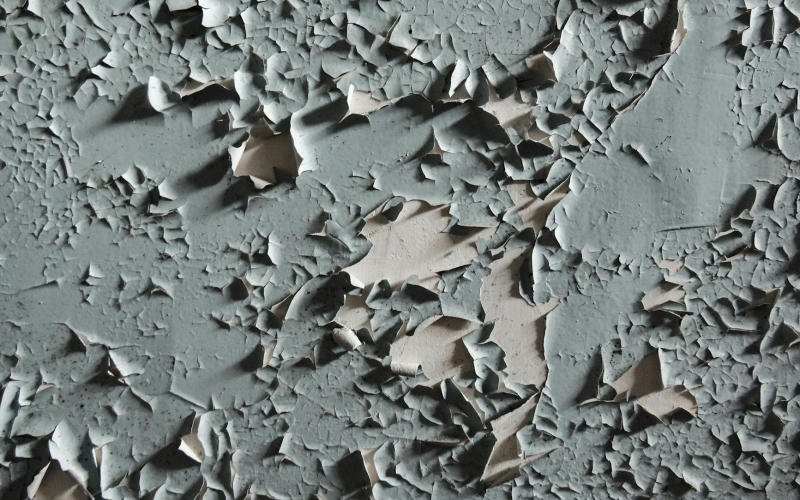
You did everything right. You picked a quality brand. You spent real money on it. Maybe you hired someone, or you gave up an entire weekend rolling two coats onto every room. And then, three months later, you’re standing there watching the edges curl up like old wallpaper in a foreclosure. That image — fresh paint peeling off brand-new walls — is one of the most demoralizing things that can happen in home improvement. And the worst part? It was completely avoidable.
Here’s what most contractors won’t tell you and what most DIY guides skip entirely: the paint itself is almost never the problem. The problem happened before you ever cracked open that can. It happened in the preparation. The surface. The conditions. The steps most people consider optional — those are the ones that make or break everything.
The Real Enemy Is Moisture You Can’t Always See
Moisture is paint’s greatest adversary. And it doesn’t have to be obvious. You don’t need a leaking pipe or a flooded basement. Sometimes it’s as simple as painting in a room where someone showers daily without ventilation, or applying paint to a wall that’s been sitting cold and slightly damp for weeks.
When moisture hides beneath the surface of drywall or plaster, paint bonds to the outer layer but not to the wall itself. The moment temperature shifts or humidity rises, that bond breaks. Peeling follows. I’ve seen this happen in bathrooms that were painted in January with the windows sealed shut. gorgeous finish for six weeks, then failure by March. Every time.
Before you paint any room with water exposure, run a dehumidifier for at least 48 hours. Check your moisture meter readings. And if you don’t own a moisture meter, buy one, the $25 ones on Amazon are perfectly adequate for residential use.
Skipping the Primer Is Where People Lose Everything
Painting without primer is the single most common reason I hear from homeowners asking why does paint peel off walls so fast. It feels like a shortcut. It looks like one too, at first. But primer isn’t decoration. it’s adhesion. It creates a chemically receptive surface that allows your topcoat to grip.
Bare drywall is porous. Fresh patches are thirsty. Old painted walls that were previously glossy will reject new coats like a bad transplant. None of these surfaces give paint a fair shot without primer underneath. And “paint and primer in one” products? Honestly, I think they’re overrated for anything other than touching up a wall that’s already in great shape. When you’ve got new drywall or significant repairs, use a dedicated primer. Full stop.
A good shellac-based primer on problem surfaces, water stains, smoke damage, older plaster. is genuinely worth every extra dollar and 45 minutes of your time.
The Grease and Grime You Didn’t Clean Off
Now, this one surprises people. Not dramatic failures. Not visible damage. Just grease. Kitchen walls accumulate an invisible layer of cooking residue over years, and that layer acts as a release agent between the surface and your new paint.
You can buy the most expensive Farrow & Ball product on the market. Apply it over a greasy surface and it will peel. The molecules literally cannot bond properly. The same goes for walls near doorframes and light switches, oils from hands transfer constantly, and those spots are often the first places peeling shows up.
Wash your walls with a TSP substitute or sugar soap solution before you do anything else. Rinse thoroughly. Let them dry completely. not “mostly dry,” completely dry. This step alone eliminates a huge percentage of premature peeling cases, and almost nobody does it with the seriousness it deserves.
Using the Wrong Paint for the Wrong Surface
Exterior paint on interior walls. Flat finish in a high-traffic hallway. Latex over oil without a proper bonding primer. These mismatches are more common than you’d think, and they’re devastating to long-term adhesion.
Interior flat paint has zero durability in rooms where surfaces get touched, bumped, or cleaned regularly. It was never engineered for that. Paint technology has improved dramatically, in 2025 and 2026, brands like Benjamin Moore and Sherwin-Williams have launched waterborne alkyd hybrid lines that offer oil-paint durability with latex cleanup. But you have to choose the right product for the right surface. Your laundry room wall is not the same as your ceiling. Your kids’ hallway is not the same as your bedroom.
So before you buy, ask yourself what this surface actually experiences on a daily basis. Then match the paint to that reality.
Applying Too Much, Too Fast
Thick coats feel productive. They look like progress. But they’re one of the fastest ways to engineer a peel. When you apply too much paint at once, the outer skin dries and forms a barrier before the interior layer cures. That trapped, uncured paint eventually contracts, loses adhesion, and lifts away from the wall.
Two thin coats always outperform one heavy coat. Always. This isn’t opinion. it’s chemistry. And rushing the dry time between coats compounds the problem; you’re essentially sealing wet paint under a second layer and waiting for failure to happen.
Read the recoat window on your specific product. In most residential conditions, 65 to 75 degrees Fahrenheit, moderate humidity. that window is 4 to 6 hours minimum. Not 90 minutes because you want to finish before dinner.
Painting Over Old Flaking Paint Without Stripping It
If your wall already had peeling or chalking paint on it before you started, adding a fresh coat doesn’t fix anything. It buries the problem and amplifies it. That old failing layer will continue to detach from the substrate, and it will take your beautiful new coat with it. All of it.
Strip. Sand. Clean. Prime. This is the sequence. No shortcut exists here that doesn’t come back to haunt you later.
What Most Guides Get Wrong
Most guides focus on technique, brush strokes, roller nap, cutting in edges. And that matters. But technique without proper prep is performance on an unstable stage. The stage will collapse.
If I had to rebuild my approach from scratch after years of watching paint jobs fail in slow motion, I’d spend 80% of my project time on preparation and 20% on actual painting. Clean the surface aggressively. Repair every crack and hole. Prime properly. Match the product to the environment. And give every single coat the full dry time it needs.
The paint won’t fail you if you give it a real surface to hold onto. Most peeling is a story about impatience and skipped steps. and that story always ends the same way.
FAQ
Can I paint over peeling paint instead of removing it?
No. Painting over peeling paint is one of the fastest ways to guarantee your new coat fails too. The existing failure will continue pulling away from the wall, dragging your new paint with it. Strip, sand, and prime before repainting.
How long should walls dry after washing before I paint?
At minimum, 24 hours in a well-ventilated room at normal temperatures. If you washed with a heavy cleaner like TSP, give it a full 24 to 48 hours. Rushing this step is a moisture trap.
Does cheap paint peel faster than premium paint?
Sometimes, but brand matters far less than prep. I’ve seen premium Benjamin Moore peel off a poorly prepped wall in two months, and I’ve seen budget paint hold for years on a properly prepared surface.
Photo by Anastasia Golts on Pexels

